Hazel Wu
MCiM '26
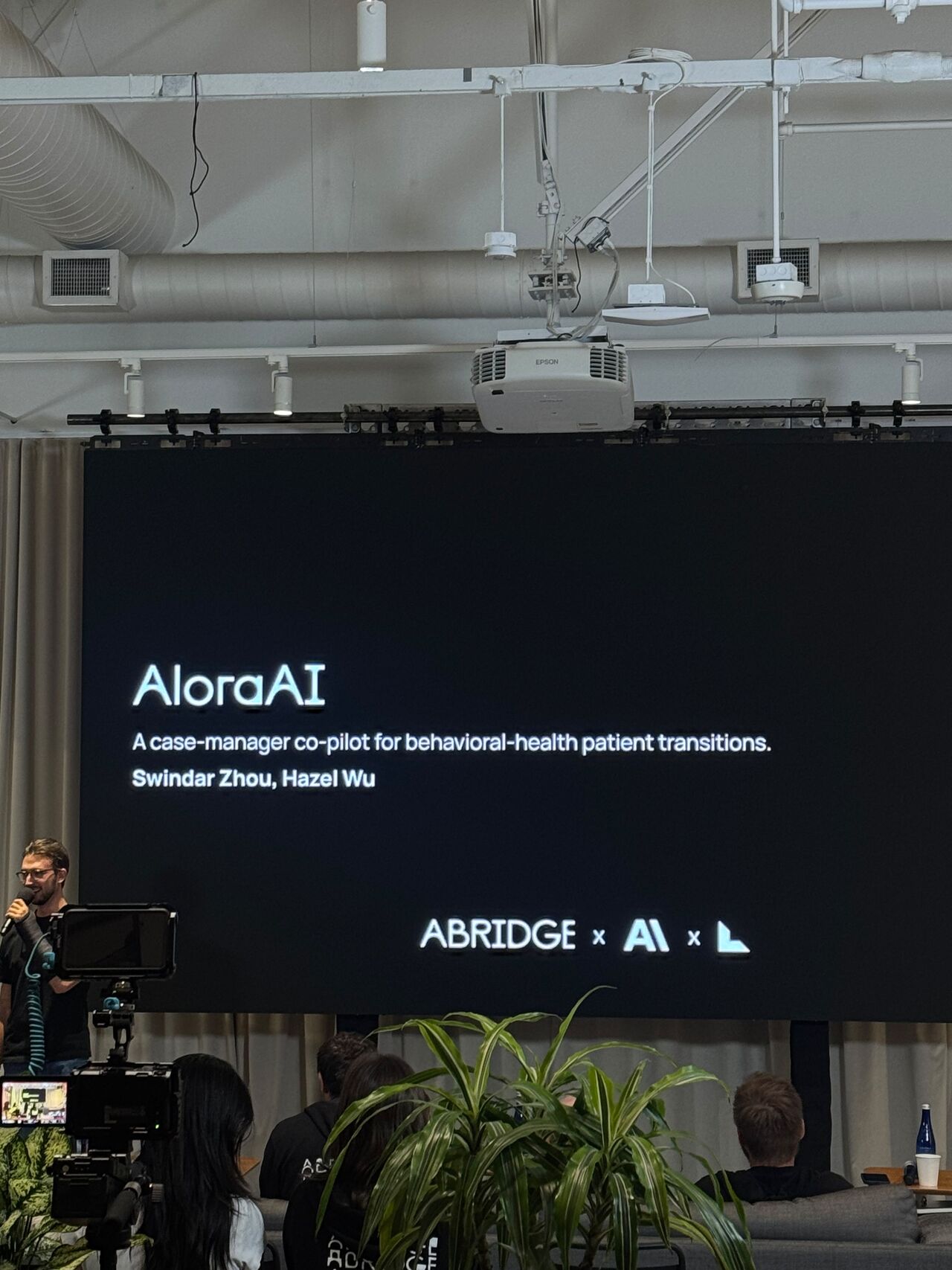
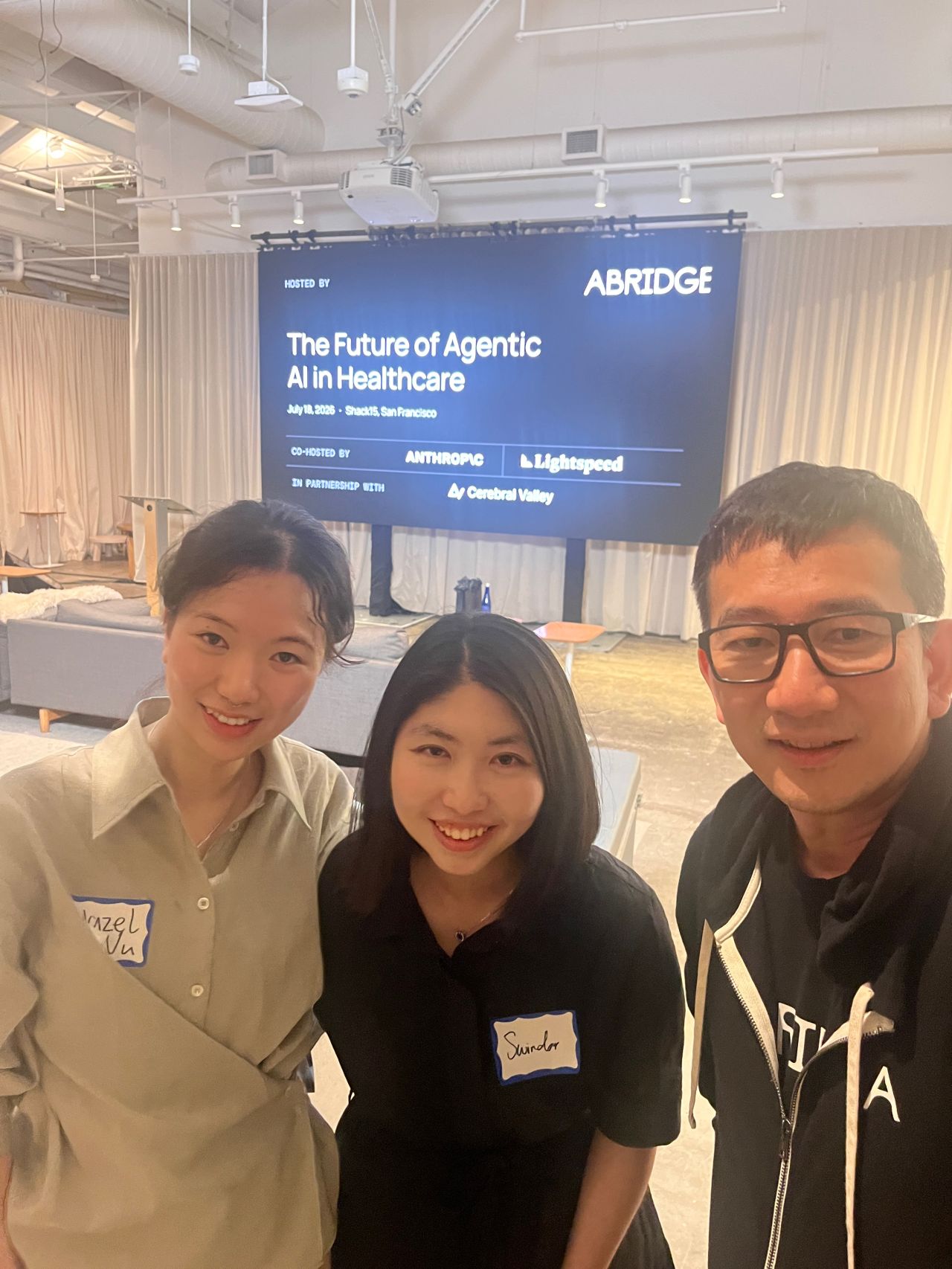
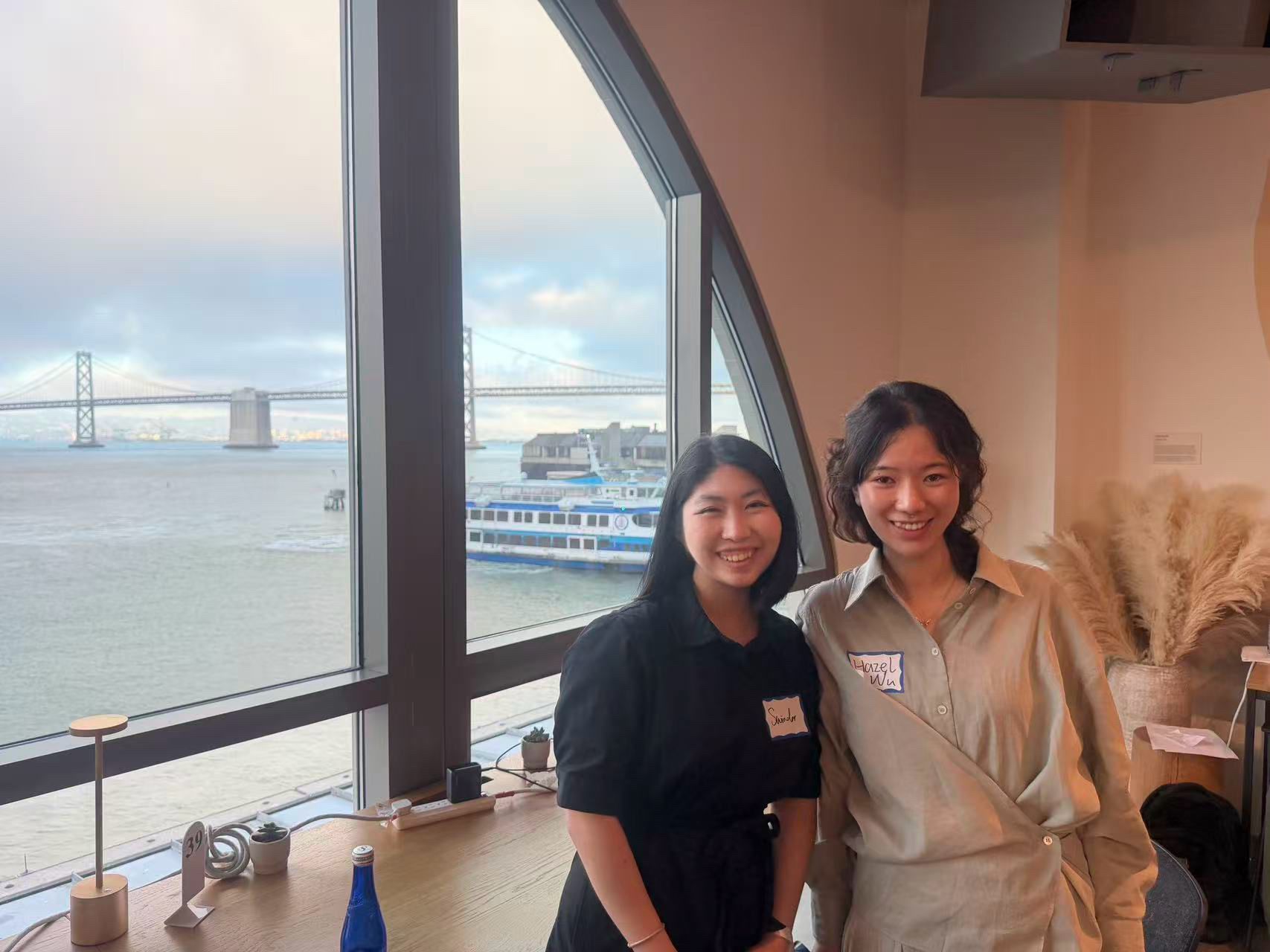
We built an AI agent that finds open psychiatric beds by listening to the phone calls people were already making. It is called AloraAI, and it just took 2nd place at Abridge x Anthropic x Lightspeed Hackathon.🥈 When someone is in a mental health crisis, the hard part often is not that there are no beds. It is that nobody can see where the open ones are in real time. Who has capacity right now lives inside hundreds of placement phone calls, and it disappears the second each call ends. So every morning, the next case manager basically starts over. AloraAI holds onto that. It sits in on every placement call, hears what each facility says about open beds, waitlists, and who they will take today, and writes it into a living knowledge graph. A map of the whole network that keeps itself up to date and gets a little smarter with every call. It also rides along on the call, pulling answers straight from the patient's chart and flagging anything the record does not support. The case manager still runs the call and makes every decision. The agent just listens, cites, and remembers. The spark came from my own research. For the past two years I worked on MI ADAPTS at CHRT and University of Michigan, mapping the acute mental health crisis system and the bottlenecks that leave patients waiting in the ER for a bed that technically exists somewhere. That work showed me where the system breaks. AloraAI is my attempt at something the research never tried: not just modeling the network, but building an agent that goes out and keeps the map true on its own, one live call at a time. The thing I am taking home: systems modeling shows you where a system breaks, and agentic AI can go stand in that spot and actually do something about it. Thank you to the organizers Abridge, Anthropic, Lightspeed, and Cerebral Valley for a weekend that pointed real tools at real problems. To the mentors and builders I met along the way, Shiv (Shivdev) Rao, Chase Yarbrough, San Oo, Katie Brown, Michał Nedoszytko MD, PhD, thank you for the conversations, I learned so much. Grateful to my teammate Swindar Zhou for building this with me, and to everyone building at the human edge of healthcare.